Thinking about a duplex (dual occupancy) in Sydney this year? Good call. Duplex builds can unlock equity, create rental income, and future-proof families living on the same lot. The trick is picking a suburb where zoning, lot sizes and demand line up so approvals are smoother and the finished homes sell or lease quickly. This guide highlights the Sydney areas that consistently work for duplex projects in 2026, with practical notes you can use before you spend on design.
The quick shortlist (and why)
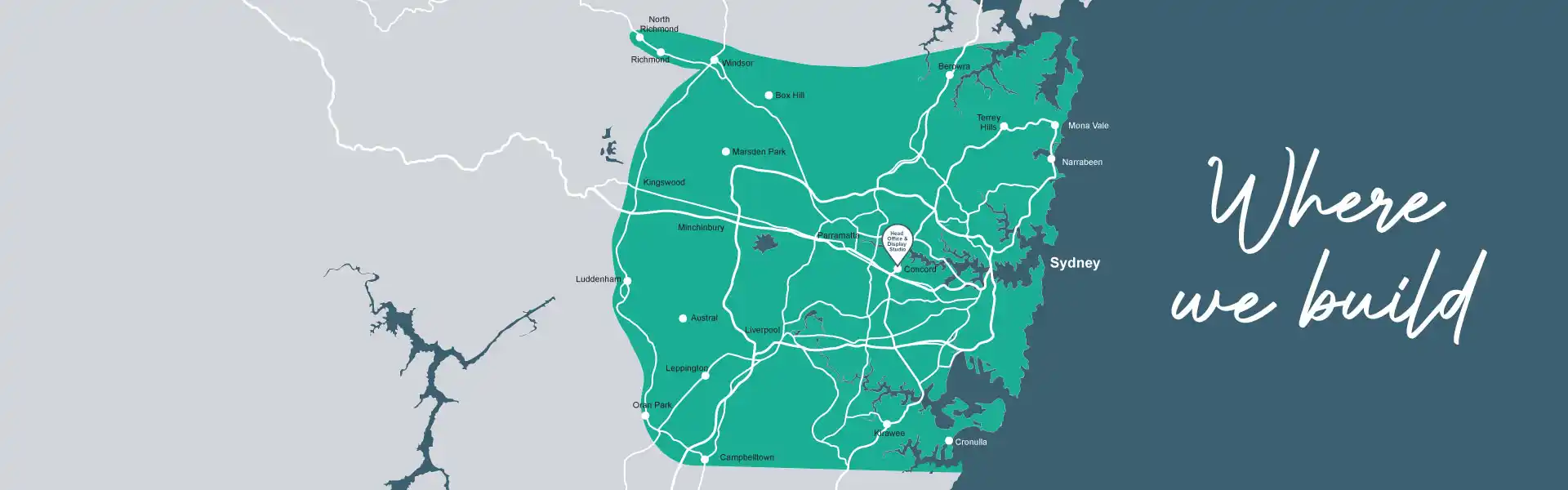
Western Sydney – Blacktown, Parramatta, Wentworthville, Penrith
Strong family rental demand; plenty of knockdown sites in established streets.
Hills District & Northwest – Cherrybrook, Thornleigh, Pennant Hills, Castle Hill, Wahroonga, Pymble
Family buyers, good schools, transport upgrades; strong resale for well-planned 4-bed layouts.
South West – Fairfield, Liverpool, Canley Vale, Cabramatta, Smithfield
Land supply and value; predictable services; investor interest and healthy yields.
St George & Canterbury-Bankstown – Bexley, Kogarah, Rockdale, Campsie, Wiley Park
Infill duplex on established blocks close to the CBD; strong owner-occupier and renter pools.
Inner West pockets – Concord, Five dock, Russel Lee, Rodd Point, Abbotsford, Croydon, Croydon Park
Walkable suburbs with end-buyer depth; often DA over CDC, but resale can justify the path.
Sutherland Shire – Caringbah, Miranda, Gymea, Engadine
Family-friendly, coastal pull; duplex product sells well with parking and storage dialled in.
Northern Beaches – Narraweena, Brookvale, Dee Why
Premium buyers; plan for slope/BAL/coastal requirements; excellent resale when executed well.
Central North – Ryde, West Ryde, Marsfield, Eastwood, Meadowbank
Transit and university catchments; compact blocks reward smart planning and storage.
How to spot a duplex-friendly suburb
| Criterion | What to check | Quick Yes/No | Notes |
|---|---|---|---|
| Zoning | Attached dual occupancy permitted (often R2/R3) per LEP/DCP | ☐ Yes ☐ No | Confirm on NSW Planning Portal and the council LEP/DCP. |
| Lot patterns | Typical frontage 12.5–15.2 m and site area ~550–700 m² in target streets | ☐ Yes ☐ No | Wider/easier frontage reduces design compromises and parking issues. |
| Overlays | Flood level, BAL (bushfire), heritage, easements, and significant trees won’t block CDC | ☐ Yes ☐ No | If overlays bite, plan for DA and extra time/cost. |
| Stormwater | Clear path to LPOD; OSD requirements understood | ☐ Yes ☐ No | Early engineer input prevents redesigns; check fall to street. |
| Services | Sewer depth/alignment won’t require encasement or relocation | ☐ Yes ☐ No | Map Sydney Water assets; avoid building over critical lines. |
| Contributions & timing | Section 7.11 likely/amount known; council or certifier timeframes acceptable | ☐ Yes ☐ No | Add contributions and certification fees to feasibility. |
| Demand | Stable sales & rental demand for 3–4 bed attached dwellings with garages | ☐ Yes ☐ No | Check days on market, vacancy, nearby school/transport catchments. |
If three or more of these are unknown, start with a site assessment before commissioning full design.
CDC vs DA by area: what usually happens
| Area type | CDC likelihood | DA likelihood | What to plan for |
|---|---|---|---|
| Newer subdivisions (North West, South West) | High, if Code controls met | Lower | Estate façade rules, easements, driveway gradients |
| Established family suburbs (Blacktown LGA, Shire) | Moderate to high | Moderate | OSD, trees near boundaries, frontage width |
| Close-in infill (St George, Canterbury-Bankstown) | Mixed | Mixed to high | Parking, setbacks, neighbour context |
| Character/heritage pockets (Inner West, parts of Beaches) | Lower | High | Streetscape, privacy, overshadowing, BAL/coastal |
Choosing the simpler viable path early saves months. We screen CDC/DA options at the first site visit.
Typical block profiles that suit a duplex
- Frontage: 12.5-15.2 m often works for side-by-side attached; wider is easier.
- Site area: ~550-700 m² gives breathing room for setbacks, private open space and parking.
- Layout: Side-by-side attached with single or double garages; stacked wet areas for cost control.
- Parking: At least one lock-up garage per dwelling + an additional off-street bay where possible.
- Acoustics: Double-layer party wall, separated stairs, carpeted bedrooms above.
Budget signals by suburb type (what to allow for)
- Older suburbs (Inner West, St George): Demolition and asbestos allowances; boundary checks; OSD.
- New estates (North West, South West): Cleaner services; allow for façade/landscape controls and possible easements.
- Low-lying areas: Stormwater OSD and Site costs.
- Beaches/bushfire edges: BAL upgrades, corrosion-resistant externals, higher glazing specs.
- Narrow frontages: Single garage + tandem solutions; careful entry and stair placement.
FAQs about Top Sydney suburbs for duplex build
What are the best suburbs in Sydney for building a duplex in 2025?
Western Sydney (Blacktown, Parramatta, Wentworthville, Penrith), Hills/North West (Cherrybrook, Thornleigh, Pennant Hills, Castle Hill, Wahroonga, Pymble), South West (Fairfield, Liverpool, Canley Vale, Cabramatta, Smithfield) and selective pockets of St George, Canterbury-Bankstown, Inner West, the Shire and Northern Beaches. The “best” for you depends on zoning, frontage, overlays and your end strategy (hold vs sell).
Can you build a duplex in R2 zoning?
Often yes, but it’s council-specific and subject to controls on frontage, setbacks, height and landscaped area. A quick eligibility screen against the NSW Housing Code and your LGA’s LEP/DCP will give you a solid answer.
Is CDC or DA faster for duplex approval?
CDC is faster if your site and design meet the Code exactly. DA offers flexibility where heritage, slope, flood/BAL or narrow frontages complicate things. We design the simplest viable path for your lot.
What block size and frontage do I need for a duplex?
There’s no single number across Sydney. As a rule of thumb, 12.5–15.2 m frontage and ~550–700 m² sites often work for side-by-side attached designs subject to your council’s rules and overlays.
Which areas have strong rental demand for duplexes?
Family-oriented corridors in Western Sydney and South West tend to deliver higher yields; blue-chip areas often lead on resale. Your lender and strategy (hold vs sell) will influence where the numbers land.
How long does a duplex build take?
After approvals, allow 10+ months for construction depending on complexity and weather. Add time for design, surveys, reports and CDC/DA.
Your next steps
- Book a free site assessment: We’ll check CDC/DA eligibility, map services, and flag stormwater/sewer issues before you invest in full design.
- Explore duplex designs: Plans tuned for Sydney lot widths and family layouts.
- See our process: From survey to handover without cost creep.
- Get a fixed-price proposal: After due diligence, so you know the real number.
Pick the suburb with your approval path in mind. Confirm zoning, frontage and stormwater early, and price services before you pick finishes. That’s how duplex projects stay on budget and hit the market on time.